From Field to Flask: The Rare Botanical Harvest

From Field to Flask: The Rare Botanical Harvest

In the quiet, mist-laden valleys of Grasse, France—the historic capital of perfumery—the dawn air is heavy with the scent of jasmine. Here, fragrance is not merely an industry; it is a sacred agricultural heritage passed down through generations.

Harvesting at the Golden Hour

The extraction of natural perfume oils is a race against the sun. Jasmine blossoms, for example, must be harvested by hand at dawn, just as they open and before the heat of the sun evaporates their delicate oils. Harvesters work with meticulous speed, plucking thousands of blossoms individually. It takes approximately eight thousand hand-picked flowers to yield just one gram of pure jasmine absolute, making it one of the most precious raw materials in the world.


"In Grasse, scent is not just an industry; it is a heritage written in the sun-drenched soil and harvested by hand, flower by individual flower."

The Art of Oil Extraction

Once harvested, the botanicals are immediately rushed to the distillation facilities. Perfumers employ two primary extraction methods:

  • Steam Distillation: Steam passes through the plant material, vaporizing the volatile compounds, which are then condensed into essential oils. This method is ideal for robust botanicals like lavender, patchouli, and sandalwood.
  • Solvent Extraction: For delicate flowers like rose and jasmine that cannot withstand the heat of steam, solvents are used to dissolve the aromatic compounds, yielding a rich, waxy compound called concrete, which is refined into pure absolute oil.

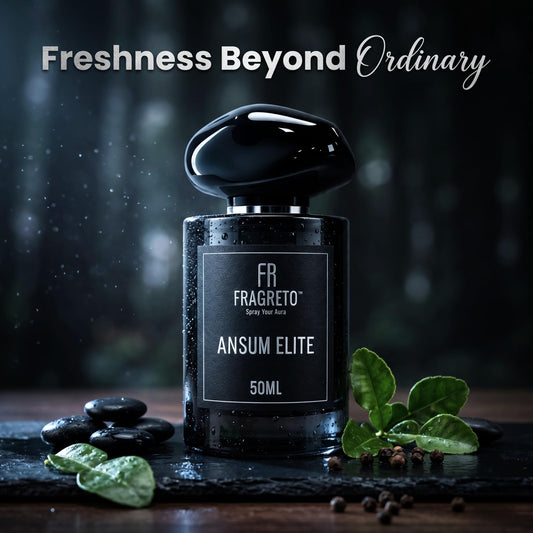
Every bottle of Fragreto contains these rare, hand-harvested essences, ensuring a depth and authenticity that synthetic replicas simply cannot match.

Browse Related products


← Scent & Memory: Why Perfume Triggers Nostalgia
The Architecture of Scent: Understanding Fragrance Notes →

Leave a Comment

Please note, comments need to be approved before they are published.